A Stone Born From an Accident of Chemistry
An emerald is what happens when two elements that almost never meet end up in the same place at the same time. The base mineral is beryl the same family that produces aquamarine and morganite. On its own, beryl has no color. It takes trace amounts of chromium, and sometimes vanadium, bleeding into the crystal as it forms, to turn it green. Chromium is common in the earth’s crust. Beryllium, the element beryl needs to exist at all, is not. In most of the world, the rock that carries chromium and the rock that carries beryllium simply never touch.
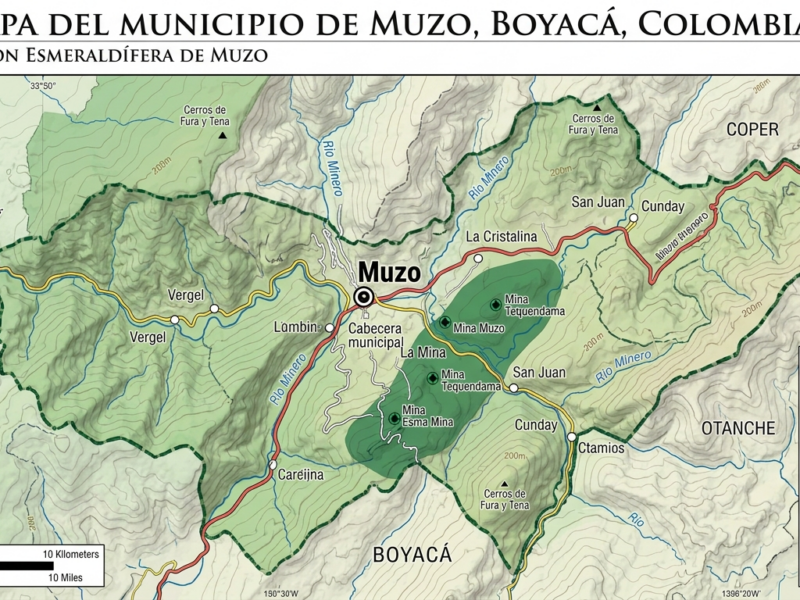
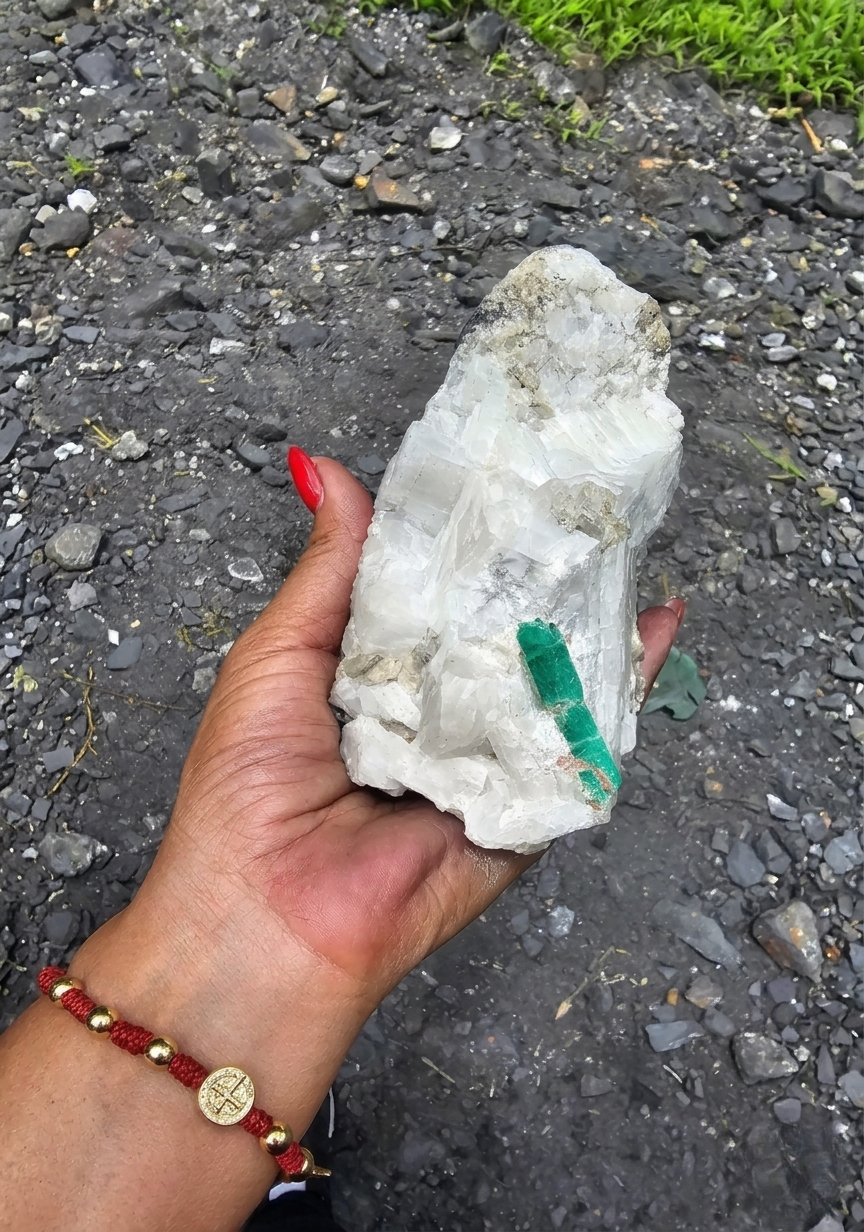
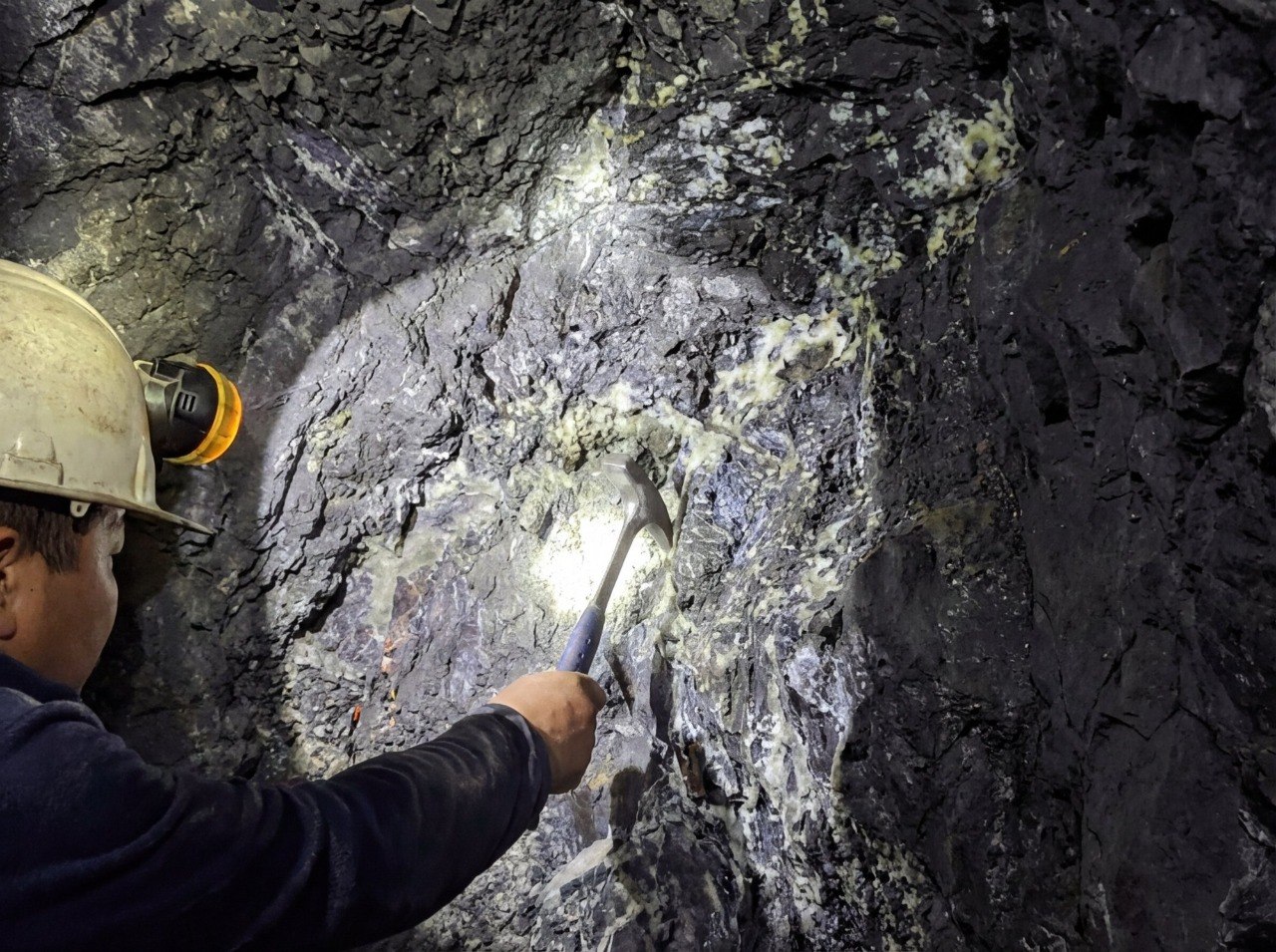
Colombia is the exception, and the reason has more to do with plumbing than geology in the usual sense. The Eastern Cordillera, where Muzo, Chivor, and Coscuez sit, holds thick beds of black shale. Millions of years ago, sedimentary layers built this rock, rich in organic material and, crucially, in the trace metals emeralds need. Hot, mineral-saturated water moved up through cracks in that shale. It dissolved what it passed through and carried it toward the surface. Where that fluid found a cavity and slowed down, it deposited what it was carrying. Where the chemistry lined up, that deposit crystallized as beryl, with just enough chromium trapped inside to turn it green.
This is why Colombian emeralds carry a color character that other mining regions don’t fully replicate Zambia, Brazil, and the historical Egyptian and Austrian deposits all involve different host rock. The chemistry differs too. And this hydrothermal origin explains something more practical: an emerald from a vein deposit like this almost always carries some internal texture. The same slow, turbulent process that grew the crystal also trapped fragments of the fluid, and sometimes the surrounding rock, inside it as it grew.
The Rough Stone Decides Its Own Cut
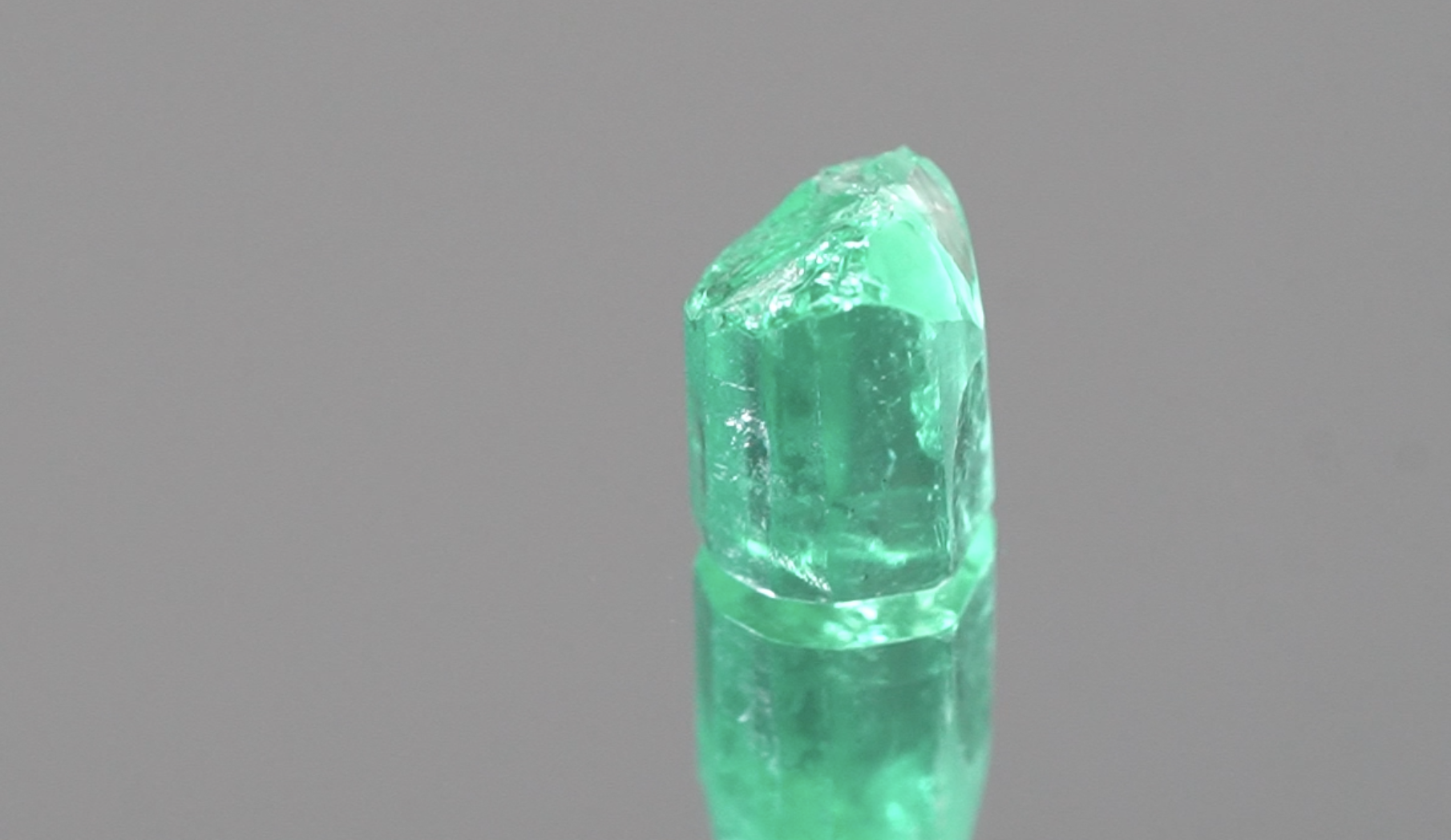
A rough emerald crystal grows as a hexagonal prism six flat sides around a central axis, the natural geometry of the beryl structure. No cutter imposes that shape; it’s simply how the atoms stack. The cutter’s real job is to study that hexagon, weigh everything trapped inside it, and decide how much of the crystal can become a finished stone without destroying what made it valuable in the first place
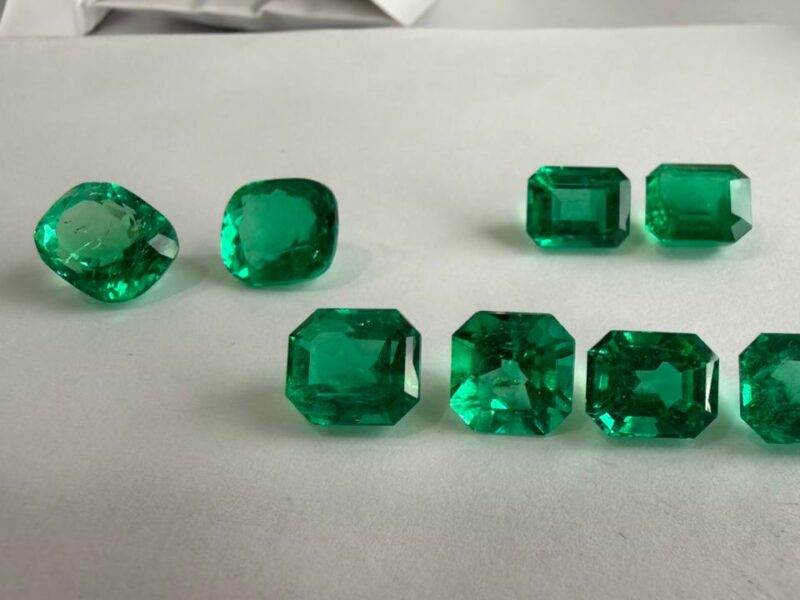
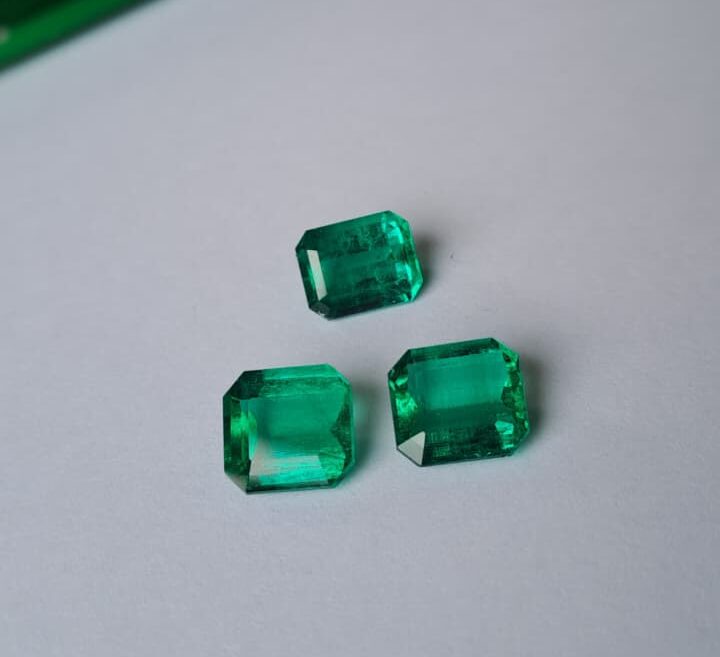
This is where the “emerald cut” the rectangular step-cut so associated with the stone that it borrowed the gem’s name actually comes from. Cutters didn’t choose it for style alone. Emeralds are structurally more fragile than diamonds. The same inclusions that give a stone its character also make it more prone to chipping under stress, especially at sharp facet junctions. A step cut, with its long parallel facets and clipped corners, distributes pressure more evenly across the stone and protects it during both cutting and everyday wear. A round brilliant cut, with its many small facets converging at sharp points, carries far more risk on an emerald so cutters use it far less often, for exactly that reason.
But the hexagonal rough doesn’t map neatly onto a rectangle. A cutter has to work around visible inclusions. They also account for natural color zoning many rough crystals run noticeably deeper in color at one end than the other. And they watch for internal fractures that would only worsen under the stress of faceting. This is why two rough stones of identical weight can yield finished emeralds of very different shapes: heart, trillion, cushion, baguette, asscher. Each shape is the result of a cutter reading that individual crystal and deciding what shape keeps the most weight and the least risk. Nobody imposes the cut on the stone. The cutter negotiates it, crystal by crystal.
Treatment: The Step Nobody Skips, and Why That’s Normal
Here’s something worth saying plainly, because people often treat it as a secret rather than an industry standard: the overwhelming majority of emeralds on the market, including fine ones, undergo treatment. Specifically, dealers oil them a practice going back centuries, older than most of the certification bodies now grading around it.
Emeralds form with surface-reaching fractures as a natural consequence of the process we just described. The same internal stress that makes careful cutting necessary also leaves most rough crystals with tiny fissures reaching the surface. Left alone, these fractures scatter light. They make the stone look duller and more included than its actual color and clarity would suggest.
What Oiling Actually Does
Oiling fills those fractures with a clear substance traditionally cedar oil, since its refractive index closely matches beryl’s. This lets light pass through more evenly, and lets the stone’s true color and transparency show. It isn’t disguising a flaw the way filling a diamond’s fracture with glass might read to a buyer. It’s closer to decanting a wine, or oiling fine furniture to bring out grain that was always there.
What Actually Matters: Degree, Not Presence
What actually matters and what any reputable seller should tell you outright is the degree of treatment. The industry grades this on a scale: “no oil” or “minor” treatment sits at one end, rare, and sellers price it accordingly. “Moderate” and “significant” treatment follow. A heavily treated stone isn’t fraudulent, but sellers should price and disclose it as what it is. This is exactly what an ICG certificate documents. It’s why every stone in our collection carries a treatment grade on its certification, rather than a vague assurance.
From Mine to the Stone You’re Actually Looking At
By the time a finished emerald reaches a trade buyer, it has already passed through geology it had no say in. It has passed through a cutter’s judgment call about its own rough shape, and a treatment decision that determines how it presents. None of that is incidental. It’s the actual chain of custody that determines value. That’s why we document origin, cut rationale, and treatment grade on every stone we source, rather than treating the finished product as if it simply arrived that way.
This is also, practically, why sourcing directly from Colombian mine partnerships matters more than it might seem. A stone that passes through several intermediaries before reaching a buyer usually loses the specific information that explains what you’re looking at — which mine, what the rough looked like, why the cutter chose this shape over another. That’s the gap direct sourcing closes.
Common Questions
Why do Colombian emeralds have a different color than emeralds from other countries?
Colombian emeralds form in black shale via hydrothermal fluid deposits, a geological setting almost unique to Colombia. Most other major deposits (Zambia, Brazil) form in schist through a different process, which affects the trace chemistry and typically produces a different color character.
Is it true that almost all emeralds are treated?
Yes — oiling to fill natural surface-reaching fractures is standard industry practice and has been for centuries. What matters is the degree of treatment and whether it’s honestly disclosed, which is exactly what a proper certification documents.
Why are so many emeralds cut in the rectangular “emerald cut” shape?
The step-cut’s flat, elongated facets distribute stress more evenly across the stone than a brilliant cut would, which matters because emeralds are more prone to chipping than harder gemstones. It’s a structural choice as much as an aesthetic one.